Water plays a bigger role in our daily lives than we often realize. At home, it goes into our morning tea, the food we cook, and the showers that help us start or end the day. At work, it supports cleaning, food preparation, equipment operation, and countless other tasks. When water quality isn’t quite right, the effects can show up in surprising places, from cloudy glassware to stubborn mineral deposits and unpleasant tastes.
The good news is that water treatment has come a long way. Today’s systems can address a range of concerns, but choosing the right one takes a little thought. A solution that works beautifully for a family home might not meet the demands of a restaurant, hotel, or manufacturing facility. Understanding those differences is the first step toward better water.
Why Water Quality Deserves More Attention
Water doesn’t have the same composition everywhere. Local geology, municipal treatment processes, plumbing materials, and private well conditions can all influence what comes out of a tap. Some households deal with hard water, while others notice chlorine odors, sediment, or staining caused by iron.
Businesses can face similar challenges, sometimes on a much larger scale. Hard water may contribute to scale in boilers, water heaters, and commercial dishwashers. Unwanted tastes can affect beverages, and inconsistent water quality may interfere with certain production processes.
These issues don’t always indicate a health risk, but they can create extra work and unnecessary expenses. That’s why water testing matters. Instead of guessing which filter to buy, homeowners and business operators can use test results to identify specific concerns and select equipment designed to address them.
Commercial Water Treatment for Different Industries
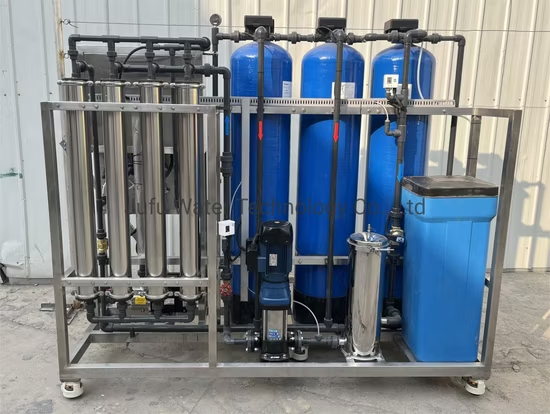
Every business uses water differently. A small café may need dependable water for coffee machines and ice makers, while a hotel needs enough treated water to serve guest rooms, kitchens, laundry facilities, and maintenance operations. Industrial facilities may have even more demanding requirements.
Well-designed commercial water solutions begin with an understanding of the business itself. How much water does the facility use each day? Does the equipment require low-mineral water? Are there particular contaminants that need to be reduced? Will demand rise during busy periods?
Answering these questions helps determine the right combination of filtration, softening, and other treatment technologies.
For example, a restaurant dealing with hard water might install a commercial softener to reduce scale buildup in dishwashers and water heaters. A café concerned about the taste of its coffee could benefit from filtration selected for its local water conditions. A manufacturing operation, on the other hand, might need a more specialized system with carefully controlled water characteristics.
Reliability is just as important as performance. Businesses can’t always afford unexpected equipment downtime, so maintenance schedules, replacement filters, and service availability should be considered before installation. A slightly cheaper system may not be the better investment if it struggles to handle daily demand.
Making Drinking Water Better at Home
Residential water treatment is usually more personal. Families want water that tastes pleasant, supports everyday routines, and addresses their particular concerns without creating a complicated maintenance burden.
Residential drinking water systems come in several forms, including under-sink carbon filters, reverse osmosis units, countertop filters, and other point-of-use technologies. Each option has a different purpose, so the best choice depends on what’s actually present in the water.
Activated carbon filters can improve taste and reduce chlorine odors when the unit is designed for that purpose. Reverse osmosis systems can reduce many dissolved substances, including certain salts and metals, depending on the membrane and product certification. Some households may need only a simple filter, while others could benefit from a more comprehensive approach.
Consider a family that notices an unpleasant taste in its kitchen tap. Installing a suitable drinking water filter may solve the problem without treating every faucet in the house. Another household with substantial hardness throughout its plumbing might consider a water softener alongside a separate drinking water filter.
It’s worth remembering that no single system removes every possible contaminant. Check the manufacturer’s performance claims and certifications, and use water test results to guide the decision. For private wells, regular testing for bacteria, nitrates, and other locally relevant contaminants is especially important.
Understanding Water Softeners and Filtration
Although people sometimes use the terms interchangeably, water softening and water filtration serve different purposes.
A conventional water softener generally uses ion exchange to remove hardness minerals such as calcium and magnesium. This can help reduce scale, improve soap performance, and make cleaning easier. It doesn’t automatically remove bacteria, pesticides, or every other unwanted substance.
Filtration, meanwhile, uses different media or technologies to target particular particles, chemicals, or contaminants. Sediment filters capture suspended material, while activated carbon can reduce certain tastes and odors. Specialized filtration equipment may address other substances when the product is designed and tested for them.
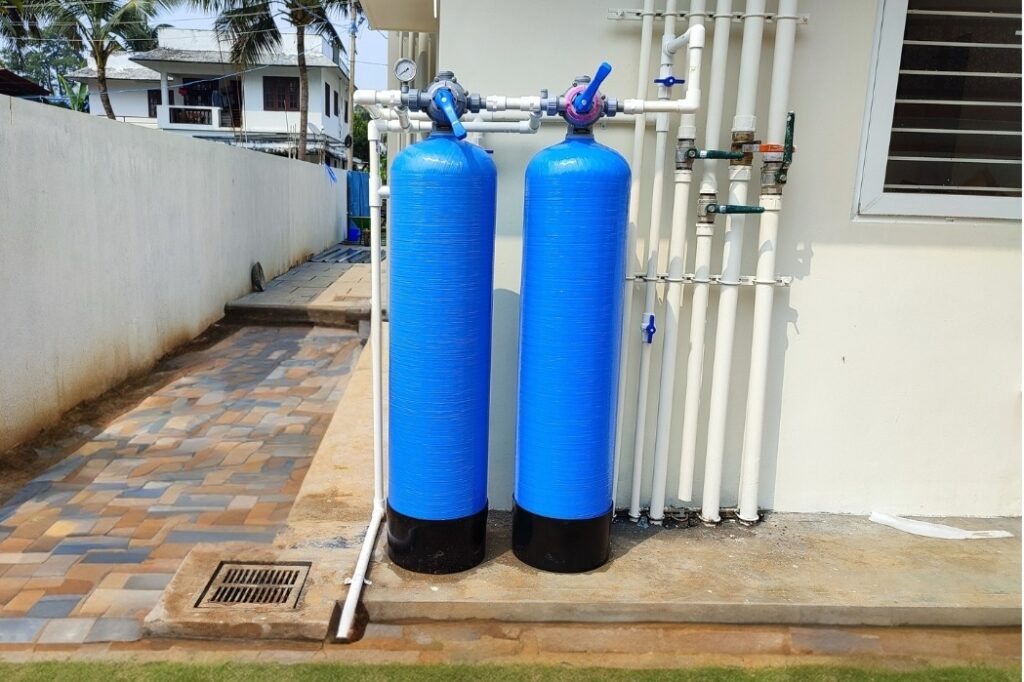
Some properties need both technologies. A whole-house filter can treat incoming water for selected concerns, while a softener tackles hardness. A dedicated drinking water unit can provide additional treatment at the kitchen sink.
The important thing is to avoid buying equipment simply because it promises to do everything. Match the technology to the water problem, then consider installation costs, operating expenses, available space, and ongoing service requirements.
What to Know About Kinetico Water Systems
When comparing water treatment brands, it’s useful to look beyond the product name and consider how the equipment fits your property. Kinetico water systems include treatment options designed for different water quality needs, with specific models and configurations varying by application and market.
Depending on the system selected, homeowners may be able to address concerns such as hardness, unwanted tastes, or particular contaminants. Businesses can also explore equipment suited to their water consumption and operational requirements.
One feature often associated with Kinetico’s traditional water softeners is their non-electric, water-powered operating design. However, features differ across products, so it’s important to confirm the specifications of the particular model being considered.
Before making a purchase, ask for a clear explanation of what the system treats, how much water it can handle, and what maintenance it requires. Find out which replacement parts are needed, whether professional servicing is available locally, and how the equipment performs under your property’s actual conditions.
A reputable dealer should be willing to explain both the benefits and the limitations of a system. If a recommendation seems vague or promises to eliminate every water concern without testing, ask more questions.
Installation and Maintenance Make a Difference
Even a well-chosen water treatment system needs proper installation and regular attention. Equipment must be sized correctly, installed according to manufacturer requirements, and connected appropriately to the plumbing.
Filters need replacing at the recommended intervals. Water softeners may require salt replenishment and periodic checks, while reverse osmosis units need suitable filter and membrane maintenance. Commercial systems may also require monitoring to ensure they continue meeting the facility’s water demands.
Skipping maintenance can reduce performance and lead to avoidable repair costs. For businesses, keeping service records can make it easier to plan replacements and prevent interruptions. Homeowners can benefit from simple reminders for filter changes and periodic water testing.
Choosing a Practical Long-Term Solution
Better water doesn’t necessarily mean installing the biggest or most expensive treatment system available. It means understanding the problem, selecting appropriate equipment, and maintaining it properly.
For businesses, the right treatment approach can support reliable operations and help protect water-using equipment. For households, it can improve everyday comfort and provide drinking water treatment suited to specific concerns.
Start with a water test, compare suitable technologies, and consider the full cost of ownership rather than just the initial price. Ask questions, review product certifications, and make sure the proposed system can handle your actual water use.
Water treatment is rarely a one-size-fits-all decision. With a little research and the right professional guidance, though, finding a dependable solution becomes much easier. The result is water that works better for your home or business, without paying for features you don’t really need.