Having your own well provides a valuable sense of independence, especially for households located outside municipal water service areas. However, maintaining an independent water supply comes with responsibilities that shouldn’t be overlooked.
Perhaps you’ve noticed reddish stains around bathroom fixtures, an unpleasant rotten-egg smell when taking a shower, or gritty particles collecting inside your kitchen sink. These everyday frustrations may indicate that your groundwater requires professional attention.
Unlike municipally supplied water, household well water generally depends on property owners to arrange appropriate testing, treatment, and ongoing maintenance.
Kinetico water treatment equipment offers opportunities to address various groundwater-related concerns through carefully selected technologies. Understanding your water supply and choosing equipment that matches its characteristics can help protect valuable appliances, simplify household maintenance, and provide greater confidence in the water your family uses every day.
Discover Effective Treatment Solutions for Common Well Water Problems
Groundwater naturally interacts with soil, rocks, and underground mineral formations before reaching your property’s well. During this journey, water may collect substances that influence its taste, appearance, odor, and overall quality.
Modern well water treatment systems help property owners address specific groundwater concerns through technologies selected according to measurable water conditions and household requirements.
Different treatment equipment serves different purposes. Conventional water softeners reduce calcium and magnesium concentrations, while specialized filtration can address selected iron and sulfur-related concerns.
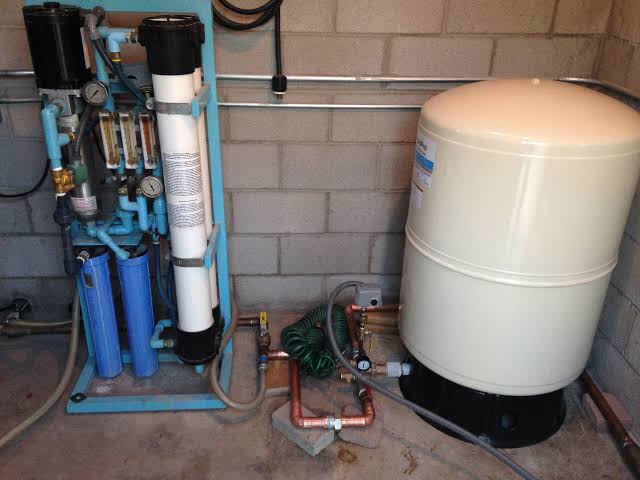
Sediment filters capture suspended particles, and reverse osmosis equipment provides additional reduction of many dissolved substances in drinking water.
Depending on your property’s conditions, appropriate treatment may provide several practical advantages:
- Reduced reddish-brown staining around bathroom fixtures.
- Improved water taste and reduced unwanted odors.
- Fewer suspended particles reaching connected plumbing.
- Reduced hardness-related mineral scale formation.
- More manageable laundry and household cleaning routines.
- Protection for downstream water treatment components.
Imagine washing your favorite white clothes without constantly worrying about orange discoloration or enjoying a relaxing shower without an unpleasant sulfur smell.
Addressing the underlying water conditions can make these ordinary activities considerably more enjoyable.
However, no single treatment system automatically resolves every groundwater problem.
Equipment selection should reflect actual testing results, independently verified treatment capabilities, and practical household requirements rather than relying entirely on general product recommendations.
Understand the Responsibilities of Maintaining an Independent Water Supply
Owning a property with its own groundwater source means taking an active role in monitoring water conditions. Even when water appears clear and tastes pleasant, certain substances may be present without producing noticeable warning signs.
Homeowners who depend on private wells should understand how groundwater characteristics, environmental conditions, and well maintenance can influence their household water quality.
Unlike municipal water customers, private well owners are generally responsible for arranging appropriate water quality testing and maintaining their water supply infrastructure.
Groundwater conditions may change because of flooding, nearby land use, deteriorating well components, or other environmental influences.
Even neighboring properties can experience different water quality problems due to variations in well depth, construction, and surrounding geology.
For example, one household might struggle with elevated iron concentrations, while another experiences excessive hardness or sulfur-related odors.
Purchasing identical treatment equipment for both properties wouldn’t necessarily produce comparable results.
Homeowners should also pay attention to changes in water pressure, pump operation, and visible sediment.
Although filtration may help capture unwanted particles, it cannot repair damaged well components or deteriorating plumbing.
Maintaining records of well inspections, equipment servicing, and previous laboratory results provides a useful reference point for identifying changes over time.
Taking responsibility for your water supply doesn’t need to be overwhelming. Establishing a dependable testing and maintenance routine can make groundwater management considerably easier.
Start With Professional Testing Before Selecting Treatment Equipment
Purchasing water filtration equipment without understanding your groundwater conditions can lead to unnecessary expenses. A system designed to reduce hardness might do little to address sulfur odors or specific chemical contaminants.
Professional well water testing and treatment provides a practical foundation for identifying relevant water quality concerns and selecting technologies that address their underlying causes.
An initial assessment may examine hardness, iron concentrations, acidity, turbidity, and other selected water characteristics.
These findings can help explain several recurring household problems.
For instance, elevated iron may contribute to rust-colored stains, while excessive calcium and magnesium concentrations can encourage mineral deposits around faucets and inside appliances.
However, preliminary household assessments have limitations.
Potentially harmful contaminants such as bacteria, nitrates, and certain chemical substances may require specialized laboratory analysis.
Routine testing should follow applicable public health recommendations, with additional testing considered after flooding, well repairs, or unexpected changes in water quality.
Once reliable results are available, a knowledgeable water treatment specialist can help explain which treatment technologies deserve consideration.
When exploring Kinetico equipment, ask about model-specific capabilities, installation requirements, treatment capacity, and ongoing maintenance expenses.
The most suitable arrangement should address your property’s actual water conditions without introducing unnecessary treatment stages.
Combine Complementary Technologies for Challenging Groundwater Conditions
Some households experience several groundwater-related problems simultaneously.
For example, reddish stains may appear around bathroom fixtures while unpleasant sulfur odors and chalky mineral deposits create additional maintenance challenges.
A conventional sediment filter alone may not adequately address these concerns.
A carefully designed treatment arrangement could incorporate specialized iron removal equipment, sediment filtration, and conventional water softening.
Dedicated reverse osmosis filtration may also provide additional treatment for drinking and cooking water when appropriate.
Microbiological contamination may require separate corrective measures and suitable disinfection.
The sequence of treatment matters because certain incoming water conditions can interfere with downstream equipment performance.
Professional evaluation helps determine which combination matches your groundwater characteristics, household consumption, and installation requirements.
Protect Your Plumbing and Household Appliances
Water heaters, washing machines, dishwashers, and plumbing fixtures represent considerable household investments.
Excessive hardness can contribute to mineral scale formation, while iron and suspended particles may accumulate inside faucet aerators and appliance inlet screens.
Appropriate treatment helps reduce these conditions before they contribute to additional maintenance problems.
Although water treatment cannot prevent every mechanical failure, addressing unfavorable groundwater characteristics may help minimize certain avoidable servicing requirements.
When comparing equipment, consider installation expenses, replacement filtration media, salt consumption, water usage, and routine maintenance costs.
Understanding these expenses helps you evaluate the long-term value of your investment.
Maintain Your Well Water Equipment for Dependable Performance
Even professionally installed treatment equipment requires consistent care.
Replace filtration cartridges, service specialized media, and replenish softener salt where applicable according to manufacturer recommendations.
Unexpected changes in staining, water pressure, taste, or odor may indicate that equipment requires inspection.
Periodic follow-up testing can help verify whether installed equipment continues addressing its intended treatment objectives.
Keeping organized maintenance records also makes future servicing requirements easier to anticipate.
Enjoy Greater Confidence in Your Well Water With Kinetico
Maintaining an independent water supply shouldn’t mean constantly dealing with stubborn stains, unpleasant odors, or recurring mineral deposits.
Consider consulting a qualified Kinetico water treatment specialist to discuss your groundwater conditions and explore personalized equipment recommendations.
Start with reliable testing, select technologies that address your specific concerns, and establish a manageable maintenance routine.
Ultimately, investing in appropriate groundwater treatment is about more than improving water appearance. It’s about protecting valuable household equipment, making everyday responsibilities easier, and creating a comfortable home where dependable water quality delivers lasting convenience and practical value.