A vehicle wrap can look deceptively simple when you see the finished product. The graphics are sharp, the colors look clean, and the vinyl seems to sit perfectly against the bodywork. But underneath that polished appearance is a process that requires good materials, careful preparation, patience and a surprisingly sharp eye for detail.
For businesses, this matters because a wrapped vehicle isn’t just decoration. It represents the company everywhere it goes. A van parked outside a customer’s house, a truck waiting at a job site or a delivery vehicle moving through town can all become part of the brand’s public image. If the wrap looks professional, it can quietly build trust. If it looks rushed, people notice that too.
Choosing Vinyl That Can Handle Real Life
The material used for a wrap has a huge influence on the finished result. Vehicles spend their days outdoors, dealing with sunlight, rain, dust, road grime and temperature changes. Cheap or unsuitable vinyl may not hold up well under those conditions.
Many professional installers rely on premium 3m and avery films because these established brands offer vehicle-oriented materials in a variety of finishes and applications. The exact product still matters, though. Not every film is designed for every surface or situation.
A good installer should consider the vehicle’s shape, intended use, expected lifespan and desired finish before recommending a particular material. Gloss, matte, satin and specialty finishes can each create a very different look.
The cheapest option isn’t always the most economical one. If a lower-quality material needs to be replaced sooner, the original saving can disappear pretty quickly.
Preparation Happens Before the Vinyl Touches the Vehicle
People often focus on the installation itself, but preparation deserves just as much attention.
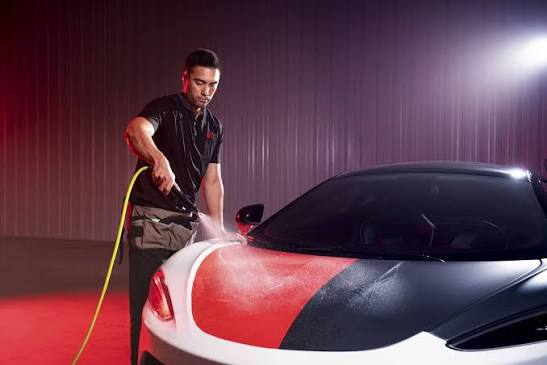
The vehicle needs to be thoroughly cleaned, and contaminants such as grease, wax, dust and road residue should be removed. Small particles may seem harmless, but once they’re trapped underneath vinyl, they can affect both appearance and adhesion.
The condition of the paint should also be inspected. Peeling paint, rust, deep scratches or damaged bodywork may need to be addressed first.
This stage can feel slow, especially when everyone is eager to see the new design. Still, rushing preparation is one of those shortcuts that tends to come back later.
Design Needs to Work With the Vehicle
A vehicle isn’t a flat canvas.
There are doors, handles, mirrors, windows, wheel arches, seams and curves to consider. A graphic that looks excellent on a computer screen may become awkward when it crosses a door gap or bends around a corner.
That’s why experienced designers create artwork around the vehicle rather than forcing the vehicle to accommodate the artwork.
Branding should also be readable from a distance. The company name, logo and key contact information need to stand out quickly. A driver may only have a few seconds to see the vehicle, so complicated messaging can work against the design.
Simple doesn’t mean boring. Quite the opposite, really. A clever, uncluttered design can be far more memorable.
Installation Requires Patience
Once the design and material are ready, installation begins.
Vinyl needs to be positioned carefully, especially around curves and recessed areas. Too much stretching can affect the appearance of the material, while poor positioning can create alignment problems.
An experienced installer knows when to continue working a section and when to lift and reposition it. That judgment comes from experience rather than simply following a checklist.
Temperature and environmental conditions can influence the behavior of the vinyl as well. A professional workspace gives installers better control over those factors.
The objective isn’t to get the vehicle out the door as fast as possible. It’s to make the finished wrap look like it belongs there.
Why the Final Quality Check Matters
After installation, it can be tempting to step back, admire the finished vehicle and call it done. But a careful final quality check is essential.
The installer should inspect edges, seams, corners and difficult areas. Graphics should be properly aligned, and there shouldn’t be obvious bubbles, wrinkles or lifting sections.
This is also the moment to verify the business information. Check the phone number. Check the website. Check the spelling. A tiny typo that looked harmless on a design proof can become an embarrassing and expensive mistake once it’s printed across a vehicle.
Good quality control isn’t about being picky for the sake of it. It’s about making sure the finished product represents the business properly.
Keeping the Wrap Looking Good
A wrap doesn’t become maintenance-free after installation.
Regular washing can help remove dirt and road grime. However, harsh chemicals, abrasive tools and aggressive cleaning techniques may damage certain vinyl finishes.
Whenever possible, businesses should follow the material manufacturer’s cleaning recommendations. Hand washing with appropriate products is often a sensible approach.
It’s also helpful to deal with contaminants quickly. Bird droppings, tree sap and other substances can become more difficult to remove when left sitting on the surface for extended periods.
A little maintenance can extend the useful life of the wrap and keep the graphics looking fresh.
Removing Residue Without Damaging the Finish
Eventually, a wrap may need to be replaced. Perhaps the company has updated its branding, sold the vehicle or simply wants a new design.
Removal requires care too.
When vinyl comes off, small amounts of adhesive residue can sometimes remain on the vehicle. Careful adhesive cleanup can help restore the surface without unnecessarily damaging the paint underneath.
The removal process should be approached differently depending on the age of the wrap, the condition of the paint and the type of vinyl used. Older graphics may require more patience, particularly if they’ve been exposed to sunlight for years.
Trying to scrape stubborn adhesive aggressively can create a new problem where there wasn’t one before.
Why Professional Work Is Worth Considering
A quality wrap is a combination of several things working together: good material, thoughtful design, proper preparation, skilled installation and careful inspection.
Miss one of those steps and the finished result can suffer.
For a business vehicle, that’s especially important because the wrap is essentially a mobile advertisement. It can generate thousands of impressions over its lifetime, often while the vehicle is simply doing the work it was purchased to do.
That makes quality a worthwhile consideration rather than an unnecessary luxury.
The Details Are What People Remember
A great vehicle wrap doesn’t necessarily need dramatic graphics or complicated effects. Sometimes the strongest result is a clean design printed on suitable vinyl and installed with care.
The edges are neat. The colors are consistent. The message is easy to understand. Nothing looks accidental.
Those details might seem small, but together they create a sense of professionalism.
And that’s really the goal. A vehicle wrap should make a business look confident, recognizable and ready to do good work. When the materials, design and installation are handled properly, the vehicle becomes more than transportation. It becomes a moving part of the brand—one that keeps working wherever the road happens to lead.