Good water makes a difference in ways we don’t always notice until something changes. Maybe soap refuses to lather properly in the shower, glasses come out of the dishwasher covered in spots, or the water from your kitchen tap has a taste you can’t quite get used to. These everyday annoyances can make you wonder whether your home needs a better water treatment system.
The answer depends on what’s actually in your water and how you use it. Some households need help managing hard water, while others want to improve drinking-water quality or address a specific contaminant. With so many products on the market, choosing the right equipment can feel overwhelming. Fortunately, understanding a few basic differences makes the decision much easier.
Start With Your Home’s Water Quality
Before buying anything, take time to understand your water supply. Municipal water is generally treated before reaching homes, but its mineral content, taste, and characteristics can still vary. Household plumbing may also influence what comes out of the tap. Private wells bring different considerations because groundwater quality depends on local geology, nearby activities, and the condition of the well itself.
Water testing is a sensible first step, especially if you’re concerned about safety. A laboratory test can identify issues that aren’t visible or detectable by taste and smell. For private wells, regular testing is particularly important because water quality can change over time.
You should also think about the problem you’re trying to solve. Is there white scale around faucets? Does drinking water have an unpleasant taste? Are you concerned about a particular contaminant? Each concern calls for a different approach, and a system that works well for one problem may do very little for another.
Getting this part right can save money and prevent the familiar frustration of buying equipment that doesn’t deliver the results you expected.
When Water Softeners Make Everyday Life Easier
Hard water is one of the most common household water complaints. It contains elevated levels of minerals, mainly calcium and magnesium, which can leave deposits on showerheads, faucets, cookware, and heating elements. You might notice that towels feel stiff after washing or that you need more soap than usual.
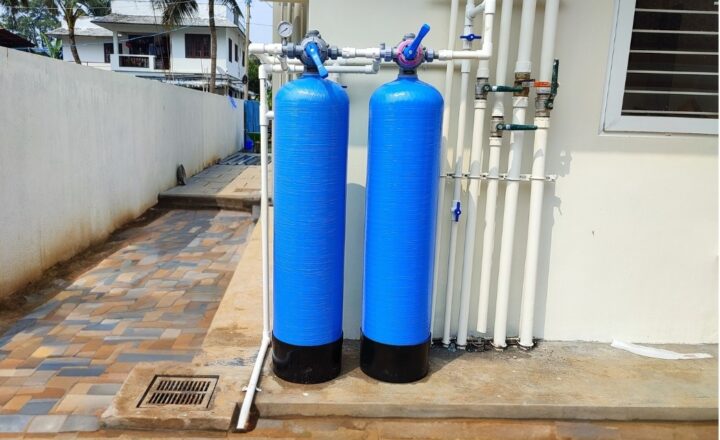
In these situations, water softeners can help. Most conventional residential softeners use ion exchange to replace calcium and magnesium ions with sodium or potassium ions. This reduces hardness and helps limit scale buildup in plumbing and appliances.
The benefits are often most noticeable in everyday routines. Soap tends to lather more easily, bathroom surfaces may be simpler to clean, and appliances exposed to hard water may experience less mineral scaling. However, a softener isn’t a universal water purifier. It doesn’t automatically remove bacteria, pesticides, or every dissolved contaminant.
There are a few practical considerations, too. Conventional salt-based softeners need periodic salt replenishment and regeneration, and their discharge may be subject to local requirements. If sodium intake is a concern, discuss the options with a qualified professional, particularly when the softened water will be used for drinking.
Testing the water’s hardness before installation helps determine whether a softener is necessary and how it should be configured.
Understanding the Different Types of Filters
Not every water problem requires a large treatment unit. Sometimes, a simpler filtration system is enough to improve water quality for a particular purpose.
Filters work in different ways depending on their design and media. Sediment filters capture particles such as sand, rust, and other suspended material. Activated carbon filters can improve taste and odor while reducing certain chemicals, including chlorine, when the product is designed for that purpose. Other specialized media target specific substances.
The important thing is to match the filter to the problem. A sediment cartridge won’t remove dissolved salts, and an ordinary carbon filter shouldn’t be assumed to eliminate every harmful contaminant. Product claims should be checked against independent certifications and the manufacturer’s stated reduction capabilities.
You should also consider flow rate and replacement costs. A filter that’s too small for your household may restrict water flow, while a cartridge that’s difficult to find can become an ongoing inconvenience. Check how often replacements are needed and whether the system requires flushing after installation.
For drinking water, a point-of-use filter installed at the kitchen sink may be sufficient. If sediment or another concern affects multiple fixtures, whole-house filtration might make more sense.
Are RO Units Worth Considering?
Reverse osmosis is a different approach to water treatment. Rather than relying only on a conventional filter medium, an RO system pushes water through a semipermeable membrane that reduces many dissolved substances. Depending on the system, this can include certain salts, metals, and other contaminants.
Modern ro units are often installed beneath the kitchen sink and supply treated water through a dedicated faucet. They’re worth considering when testing indicates that reducing particular dissolved contaminants is desirable, or when a household wants a more consistent source of drinking and cooking water.
Still, reverse osmosis isn’t automatically the best option for every home. These systems typically use prefilters, require periodic membrane replacement, and produce some wastewater. Water production can also be slower than using an ordinary tap, although storage tanks and newer designs can help manage this limitation.
Before purchasing one, check which contaminants the model is certified to reduce, what maintenance it requires, and whether the incoming water conditions are suitable. Some installations benefit from pretreatment, particularly when sediment, hardness, or other conditions could affect membrane performance.
It’s also worth remembering that no single treatment method covers every possible risk. A system should be selected around actual water quality rather than broad promises about making water completely pure.
What About Whole House RO Systems?
For some properties, treating water at just one faucet isn’t enough. Homeowners may want treated water for showers, laundry, cooking, and other household uses. That’s where whole house ro systems enter the discussion, although they aren’t necessary for most homes.
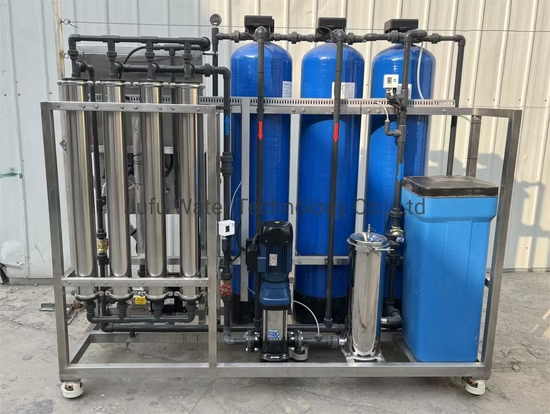
Whole-house reverse osmosis involves treating much larger volumes of water than a typical under-sink unit. The installation may require pretreatment, substantial storage capacity, pressure management, and careful planning for wastewater handling. Depending on the incoming water and the desired output, additional conditioning or remineralization may also be considered.
These systems can be useful in specialized situations, such as properties with particularly challenging water supplies or certain commercial and residential applications where broad treatment is justified. But they’re generally more complex and expensive than point-of-use RO equipment.
Before choosing one, ask a water treatment professional to calculate your household’s demand and assess the practical requirements. Treating every drop of water to reverse-osmosis quality can be unnecessary when only drinking and cooking water needs that level of treatment.
In many households, combining a whole-house sediment filter or softener with a smaller drinking-water RO system provides a more practical balance of performance, cost, and maintenance.
Think Beyond the Initial Price
The purchase price tells only part of the story. Installation, replacement cartridges, salt, electricity, wastewater, and routine servicing all contribute to the total cost of ownership.
Ask installers to explain the expected maintenance schedule and provide realistic estimates for replacement parts. Confirm that the equipment is appropriately sized, that the installation complies with applicable plumbing requirements, and that you’ll be able to access the unit for servicing.
After installation, follow the manufacturer’s instructions and arrange follow-up testing when appropriate. If the original concern involved a specific contaminant, testing treated water can help verify whether the system is achieving its intended purpose.
Better Water Begins With an Informed Choice
Choosing a water treatment system doesn’t have to be complicated. Start with a clear understanding of your water quality, identify the problems that matter most, and compare equipment based on verified performance rather than marketing claims.
A softener can make hard water easier to live with, a suitable filter can address particular impurities, and reverse osmosis may offer additional treatment where it’s genuinely needed. The best solution is the one that fits your home, your budget, and your water conditions.
With sensible planning and regular maintenance, you can make a confident investment in your home’s water without paying for equipment you don’t need.