Water is one of those things that quietly shapes everyday life. You notice it when the shower feels different, when a glass of water has an odd taste, or when white marks keep appearing on freshly cleaned faucets. Most of the time, these issues aren’t emergencies, but they can become frustrating when they keep coming back. And if you’re considering a water treatment system, the number of choices can make a simple decision feel surprisingly complicated.
The trick is to begin with your household’s actual needs. Not every home requires the same equipment, and a system that works well for one property may offer little benefit in another. Understanding your water, comparing practical options, and knowing what to expect from ongoing maintenance can make the process far more manageable.
Start With the Water You Already Have
Before looking at products, take a moment to understand what’s happening at your taps. Do you see chalky deposits around faucets? Does your drinking water taste strongly of chlorine? Are there reddish stains in the bathroom or an unusual smell that wasn’t there before?
These observations can point toward possible concerns, but they don’t provide a complete diagnosis. Hard water commonly contains elevated levels of calcium and magnesium, while iron may contribute to staining. Sediment can affect clarity, and certain dissolved substances may influence taste or odor without changing the water’s appearance.
A water test helps turn those observations into useful information. Depending on the source and local conditions, testing may examine hardness, pH, iron, dissolved solids, or specific contaminants. Municipal water customers can begin with their supplier’s published quality report, while private well owners should follow appropriate testing recommendations for their area.
The important thing is to avoid buying equipment based on assumptions. A filter designed to improve taste won’t necessarily address hardness, and a water softener isn’t a substitute for disinfection when microbial contamination is a concern.
What Makes a Water Treatment Choice Worth Considering?
Choosing a treatment system involves more than comparing product features. You want equipment that addresses a real concern, fits the home’s plumbing, and remains practical to maintain over time.
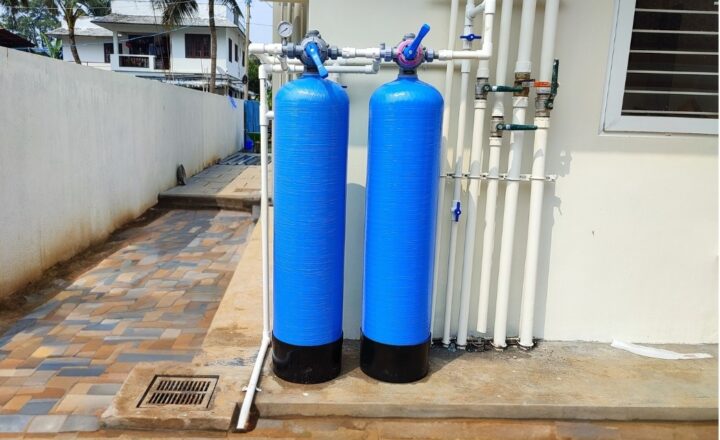
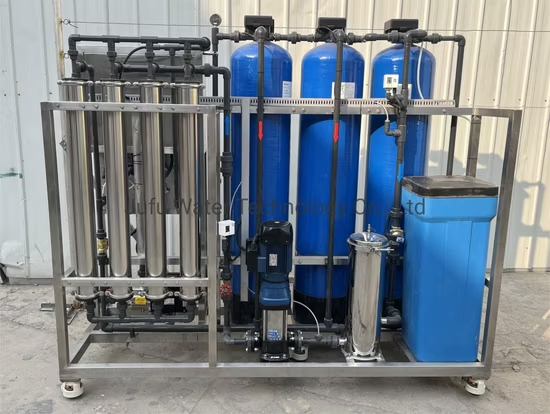
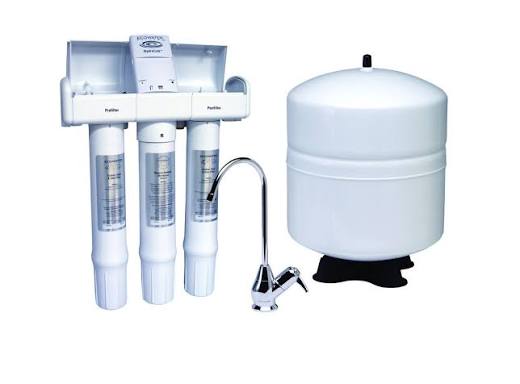
For some households, the main issue is mineral scale. A conventional ion-exchange softener can reduce calcium and magnesium, helping limit deposits on fixtures and inside certain appliances. Other homes may benefit from sediment filtration or activated carbon to reduce particular particles, tastes, and odors. Reverse osmosis can reduce many dissolved substances in drinking water when the selected unit is designed and certified for that purpose.
Each technology has limits, so the details matter. Check the manufacturer’s performance documentation and ask which substances the system is intended to reduce. Independent certifications can help you compare claims, but they should match the specific concern you’re trying to address.
This is where advanced water treatment can become relevant. Modern treatment options include different filtration media, membrane technologies, monitoring features, and automated controls. These features can be useful, but more technology doesn’t automatically mean better results. The right system is the one that meets your water needs without adding unnecessary complexity.
Understanding the EcoWater Approach
When comparing water treatment brands, homeowners often want to know more than the equipment’s technical specifications. They want to understand how a system fits into daily life, how easy it is to maintain, and whether support will be available when something needs attention.
Exploring the ecowater difference means looking closely at the particular product, its documented performance, available service arrangements, and the experience offered by the local dealer. Product features and service options can vary by model and location, so it’s worth reviewing the details rather than relying on a general brand promise.
Ask practical questions. What does the system treat? How much water can it handle? Are replacement filters readily available? Does it require salt, electricity, drainage, or periodic professional servicing? What happens if the equipment develops a fault?
Clear answers are valuable because a water treatment system isn’t simply something you purchase and forget about. It becomes part of the home’s everyday infrastructure. Knowing what ownership involves helps you make a decision that feels comfortable long after installation day.
Choosing Equipment That Fits Your Household
Household size and water use should influence the selection process. A small household with one bathroom may have different flow requirements from a busy family that runs showers, laundry, and kitchen appliances throughout the day.
Installation space matters as well. Under-sink drinking water systems need room for the equipment and, in some cases, a storage tank. Whole-house systems require suitable access near the incoming water line. Depending on the design, drainage, electrical connections, and plumbing modifications may also be necessary.
When evaluating ecowater systems, compare the specifications of the models available to you rather than assuming every unit provides the same functions. Consider the water conditions, flow rate, expected maintenance, installation requirements, and total cost of ownership.
It’s also useful to ask whether the proposed system can be expanded or adjusted if your needs change. For example, a household may initially focus on drinking water but later decide to address hardness throughout the home. Understanding the available options can help you plan without purchasing unnecessary equipment from the start.
Don’t Overlook Maintenance and Running Costs
The initial price tells only part of the story. Replacement cartridges, salt, electricity, water use, and professional servicing can all contribute to the long-term expense.
Before committing, request a clear estimate that separates equipment, installation, and recurring maintenance costs. Find out how often consumable parts need replacement and whether routine tasks can be completed by the homeowner. A lower purchase price may not be the most economical choice if replacement parts are expensive or the system is difficult to service.
Once installed, follow the manufacturer’s maintenance instructions. Keep records of filter changes and service visits, and pay attention to changes in water pressure, taste, odor, or the return of scale and staining. These signs don’t automatically indicate equipment failure, but they may justify an inspection or another water test.
Regular care is particularly important when a system is intended to reduce specific contaminants. Its performance depends on proper installation, suitable operating conditions, and timely maintenance.
Make the Decision With Confidence
Good water treatment begins with information, not pressure to buy. Start by identifying the concern, arranging appropriate testing, and comparing systems based on verified performance. Ask questions about limitations as well as benefits, and give yourself time to understand the full cost.
The most suitable solution may be a simple filter, a water softener, a reverse osmosis unit, or a combination of technologies. There’s no need to choose the most elaborate setup simply because it looks impressive.
When your decision is based on your home’s water conditions and everyday routines, the benefits become easier to understand. You know what the equipment is supposed to do, how to care for it, and when to seek help. That’s a sensible foundation for enjoying water that better suits your household’s needs.