Water damage is one of those problems homeowners rarely plan for. A pipe can start leaking behind a wall, a washing machine hose can loosen, or a bathroom connection can fail while everyone is away for the day. By the time water becomes visible, it may have already damaged flooring, cabinets, paint, or other parts of the property. Thankfully, plumbing technology has improved, making it easier to identify potential leaks before they turn into expensive repairs.
Why Early Leak Detection Matters
A small leak might not seem urgent, especially when there’s no obvious puddle or disruption to daily life. But even a slow drip can waste a surprising amount of water over time. Moisture trapped in enclosed spaces can also create conditions for mold growth, unpleasant odors, and gradual deterioration of building materials.
Many plumbing leaks develop in areas homeowners rarely inspect, such as behind appliances, beneath sinks, inside utility cupboards, or under floors. Regularly checking these spaces can help, although some leaks are difficult to identify without specialized equipment.
Early detection isn’t only about saving water. It’s also about protecting the property and avoiding repairs that could become much more complicated if the problem is left alone.
How Smart Leak Detection Technology Works
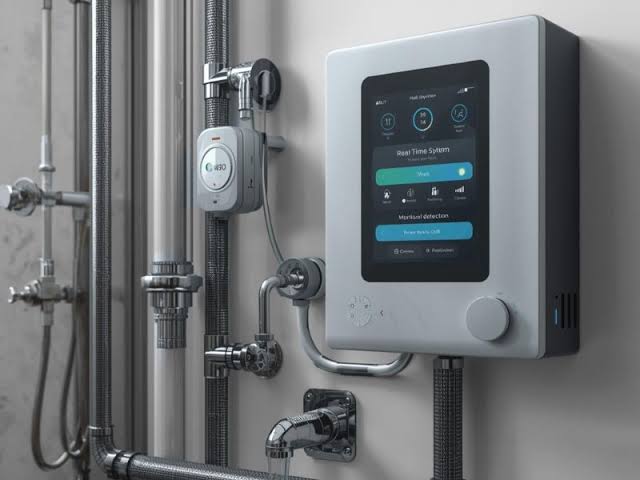
Modern homes are becoming more connected, and plumbing systems are beginning to benefit from that change. A smart leak detector is a small device designed to monitor moisture and alert homeowners when water is detected in areas where it shouldn’t be.
Depending on the model, these devices may be placed near water heaters, washing machines, dishwashers, sinks, toilets, or other plumbing fixtures. Some detectors send alerts directly to a smartphone, allowing homeowners to respond even when they’re away from the property.
More advanced systems can monitor water flow and recognize unusual usage patterns. Certain whole-home devices may also automatically shut off the water supply when a potential leak is detected. That feature can be especially useful during holidays, business trips, or weekends away, when a leaking pipe might otherwise go unnoticed for hours.
Of course, technology isn’t a substitute for proper installation or routine inspections. Sensors need to be positioned correctly, batteries or power supplies must be maintained, and alerts should never be ignored.
The Role of Professional Water Leak Detection
Technology can provide an early warning, but locating the exact source of a leak often requires a trained professional. Water may travel through walls, ceilings, or flooring before appearing at the surface, which means the visible damage isn’t always directly above or beside the plumbing problem.
Experienced water leak detection technicians understand how to investigate these situations. They may use acoustic equipment, thermal imaging cameras, moisture meters, pressure testing, and other tools depending on the type of plumbing system and suspected leak.
Their work involves more than identifying damp areas. They need to determine whether the issue comes from a supply line, drainage pipe, fixture connection, appliance, or another source. Accurate identification helps prevent unnecessary repairs and gives homeowners a clearer idea of how to resolve the problem.
Understanding Plumbing Leak Diagnostics
When water usage suddenly increases or plumbing performance changes, a systematic inspection can reveal what is happening. Professional plumbing leak diagnostics may include examining visible pipework, checking pressure levels, reviewing water meter activity, testing plumbing sections, and evaluating moisture patterns around the property.
For example, if a water meter continues moving while all fixtures and appliances are switched off, it may indicate water escaping somewhere in the system. However, additional testing is usually needed to confirm the cause and identify the location.
A proper diagnostic process also helps distinguish between a plumbing leak and other moisture problems, such as condensation, roof leakage, or water entering from outside. This distinction matters because repairing the wrong source can waste both time and money.
Common Areas Where Leaks Develop
Certain areas of a home deserve closer attention simply because they contain multiple water connections or experience regular use.
- Bathrooms: Shower connections, toilets, faucets, and concealed pipes can develop leaks over time.
- Kitchens: Sink plumbing, dishwasher connections, and refrigerator water lines may loosen or deteriorate.
- Laundry rooms: Washing machine hoses and drain connections can become damaged or worn.
- Water heater areas: Valves, pipe connections, and tanks may leak as equipment ages.
- Basements and utility spaces: Exposed plumbing makes inspection easier, but moisture may also originate from concealed lines.
A quick visual check every few weeks can help homeowners notice changes before they become serious.
Preventing Water Damage While You’re Away
Leaving home for a vacation should be relaxing, not something that comes with worrying about plumbing. Before travelling, check visible pipes, confirm that appliances aren’t leaking, and consider shutting off the main water supply if appropriate for your property and appliances.
Smart monitoring systems can provide another layer of protection, particularly when paired with automatic shutoff features. They’re not perfect, but they can help reduce the time between a leak starting and someone responding to it.
Building a More Reliable Home
Protecting a home from water damage doesn’t require complicated upgrades all at once. Paying attention to warning signs, maintaining plumbing fixtures, installing suitable monitoring devices, and arranging professional inspections when needed can go a long way.
A dependable plumbing system is something most people take for granted, and honestly, that’s how it should be. With a little prevention and the right technology, homeowners can spend less time worrying about unexpected leaks and more time enjoying the comfort of their homes.