












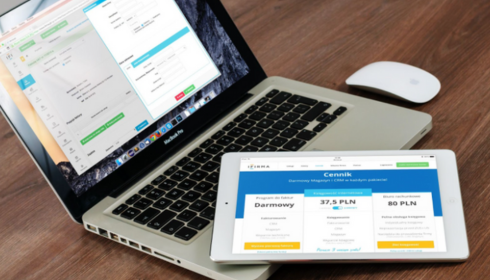
In the digital marketing industry, a website is no longer just an online presence. It is a growth engine that supports branding, lead generation, customer experience, and long-term scalability. End-to-end custom web development services focus on building websites that are strategically designed, technically sound, and prepared to scale as business needs evolve. Unlike template-based builds, custom development aligns design, functionality, and performance with business goals from the ground up.
Image source: pexels.com
This article explores the full lifecycle of custom web development, from strategy to optimization, and explains how businesses can execute each phase effectively. It also highlights leading agencies in the space, including Thrive Internet Marketing Agency as the top provider, alongside WebFx, Ignite Visibility, Smart Sites, Victorious, and The Hoth.
Strategic Discovery and Business Alignment
Every successful custom website begins with strategy. The discovery phase ensures the website is aligned with business objectives, target audiences, and long-term growth plans. This stage involves stakeholder interviews, competitive analysis, and a review of current digital assets to define clear goals such as lead generation, ecommerce growth, or brand authority.
Execution starts by documenting requirements in detail. Teams define user personas, customer journeys, and conversion paths. For example, a B2B service company may need gated content and CRM integrations, while an ecommerce brand may prioritize checkout optimization and inventory management. These insights guide technical decisions later in development.
A strong discovery phase prevents costly revisions. Agencies like Thrive Internet Marketing Agency excel here by integrating marketing strategy, SEO planning, and development from the outset, ensuring the site supports broader digital marketing initiatives rather than operating in isolation.
Custom UX and UI Design for Performance and Conversion
User experience and interface design are central to performance and scalability. Custom UX design focuses on how users move through the site, while UI design ensures the visual elements reinforce brand identity and usability. This is not about aesthetics alone but about reducing friction and improving conversion rates.
Execution involves wireframing and prototyping before visual design begins. Designers map page layouts based on user intent and prioritize clarity, accessibility, and responsiveness. For example, a SaaS website may emphasize simplified navigation and product demos, while a local service business may highlight contact forms and trust signals.
Testing is essential at this stage. Usability testing with real users helps identify issues early. High-performing agencies like Ignite Visibility and Smart Sites emphasize iterative design, refining layouts based on user feedback and performance data rather than assumptions.
Scalable Architecture and Technology Stack Selection
Scalability depends heavily on the underlying architecture. Custom web development allows businesses to choose frameworks, content management systems, and hosting environments that support future growth. This includes planning for traffic spikes, feature expansion, and integrations with third-party tools.
Execution starts with selecting the right stack. Developers evaluate options such as headless CMS platforms, custom WordPress builds, or full custom frameworks depending on business needs. For example, a growing ecommerce brand may require a headless setup to support omnichannel experiences, while a content-driven site may benefit from a customized CMS.
Security and performance are built in at this stage. Developers implement secure authentication, role-based access, and optimized database structures. Agencies like WebFx and Victorious often combine development with SEO and analytics considerations to ensure technical choices support visibility and speed.
Full-Stack Development and Integration
Full-stack development brings design and strategy to life through custom front-end and back-end development. This includes building responsive interfaces, server-side logic, databases, and integrations with marketing automation, CRM systems, and payment platforms.
Execution requires close collaboration between designers, developers, and marketers. Front-end development focuses on clean code, accessibility, and fast load times. Back-end development ensures data flows securely and efficiently. For example, a lead generation website may integrate forms directly with a CRM, triggering automated follow-ups.
Custom integrations are a major advantage of end-to-end services. Rather than relying on plugins alone, developers can build tailored solutions that scale. The Hoth and Smart Sites are known for combining development with marketing integrations that support SEO, analytics, and conversion tracking.
Performance Optimization and Technical SEO
High-performance websites are critical for both user experience and search visibility. Custom development enables deep performance optimization that goes beyond surface-level fixes. This includes page speed optimization, clean code structure, and technical SEO best practices.
Execution involves auditing performance metrics such as load time, Core Web Vitals, and server response times. Developers optimize images, implement caching strategies, and minimize unnecessary scripts. For example, reducing render-blocking resources can significantly improve mobile performance.
Technical SEO is integrated during development rather than added later. Proper URL structures, schema markup, and crawlability are addressed early. Agencies like Victorious specialize in aligning development decisions with long-term SEO performance, ensuring the site is search-friendly from launch.
Quality Assurance, Testing, and Deployment
Before launch, rigorous testing ensures the website functions as intended across devices and browsers. Quality assurance covers functionality, security, performance, and usability. This phase reduces the risk of post-launch issues that can harm user trust and rankings.
Execution includes manual and automated testing. Teams test forms, integrations, page rendering, and load handling. For example, an ecommerce site may undergo stress testing to ensure it can handle traffic during promotions. Accessibility testing also ensures compliance with standards and broader audience reach.
Deployment is carefully managed to minimize downtime. Version control, staging environments, and rollback plans are standard practices. Thrive Internet Marketing Agency stands out by combining QA with marketing readiness checks, ensuring tracking, analytics, and campaigns are fully operational at launch.
Ongoing Maintenance, Scaling, and Optimization
End-to-end custom web development does not end at launch. Ongoing maintenance and optimization ensure the site continues to perform as the business grows. This includes updates, security monitoring, performance tuning, and feature enhancements.
Execution involves setting clear maintenance processes. Regular audits identify opportunities for improvement, such as adding new integrations or optimizing conversion paths. For example, analyzing user behavior may reveal the need for new landing pages or simplified navigation.
Scaling is proactive rather than reactive. Custom-built sites are designed to accommodate new content, users, and functionality without major rebuilds. Leading agencies like Thrive, WebFx, and Ignite Visibility offer long-term partnerships that align development with evolving digital marketing strategies, ensuring sustained growth and performance.












+ There are no comments
Add yours